Tree care advice

Useful checks for owners—and clear limits on DIY tree work.

These guides help you notice changes, prepare for seasonal weather and describe a problem clearly. They are not a substitute for climbing, chainsaw work or a competent inspection.

Immediate danger?Keep clear and use the 24/7 emergency line.
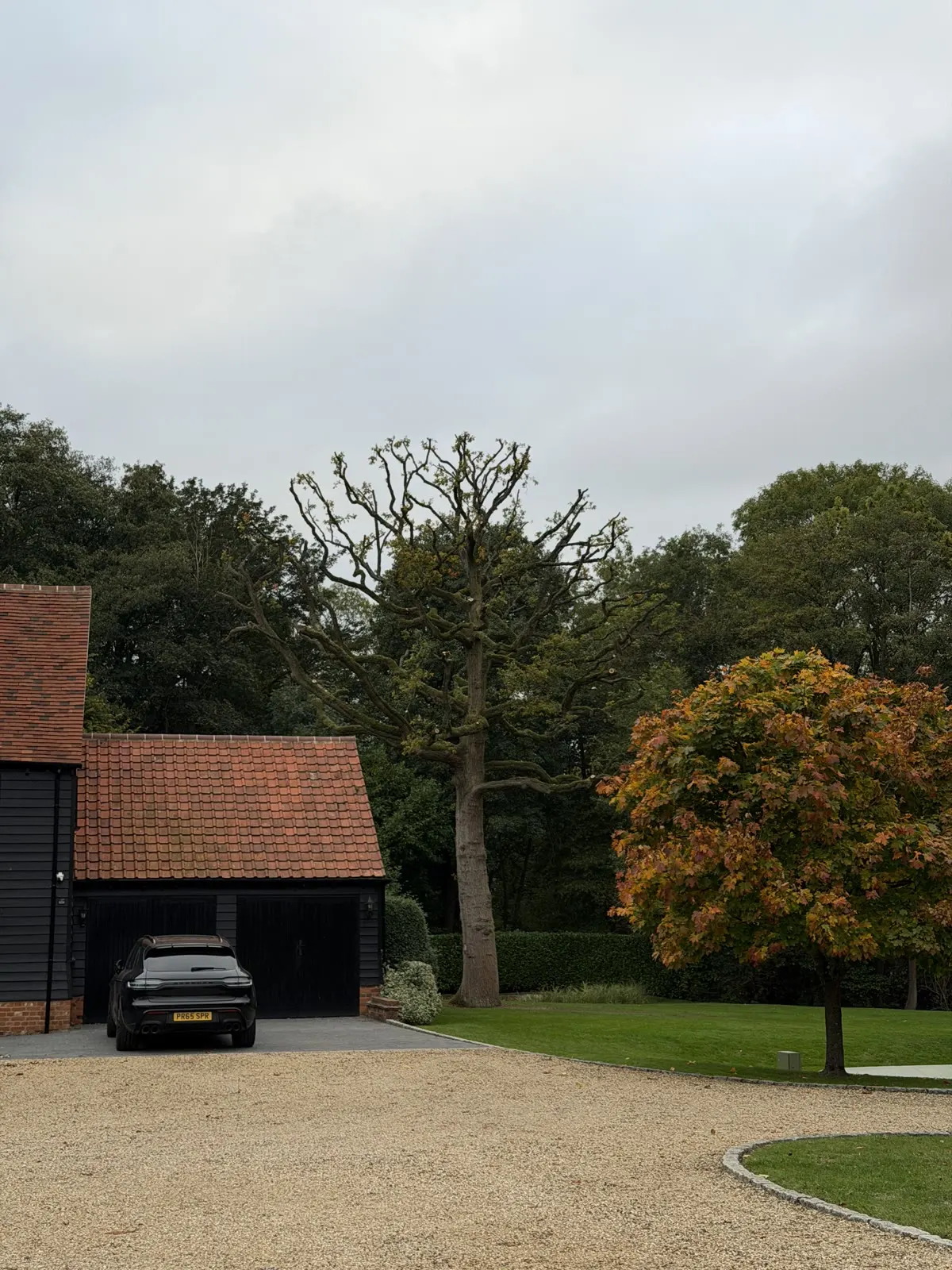
Mature tree professionally pruned beside a residential driveway
Observe from the ground. Leave work at height to trained people.

Start here

Three questions before you do anything.

  1. 01
    Has something changed?

    New cracks, hanging limbs, soil movement, sudden lean or dead foliage deserve attention.

  2. 02
    Can you stay on the ground?

    If the answer involves climbing, a chainsaw or pulling a suspended branch, stop.

  3. 03
    Could the tree be protected?

    Check TPO and conservation-area restrictions before pruning or removal is planned.

Local planning guide

Is the tree protected?

Read the Brentwood guide to Tree Preservation Orders, conservation-area notices and narrow emergency exceptions before work starts.

TPO and conservation help

Advice library

Practical guides, written to be used

Every full guide is available on this page, so it can be read, shared and understood without a hidden pop-up.

Weather6 min

Spring Recovery Plan After a Wet, Windy Winter

A practical March-April checklist to catch damage early and support healthy spring growth.

Read the full guide

Late winter storms and saturated soil can leave hidden weakness. A focused spring check helps you act before defects become expensive failures.

What you can check first

  • Check the base and root flare for fresh movement, heave, or exposed roots.
  • Remove dead twigs and small broken branches using clean, sharp tools.
  • Apply mulch in a ring around the root zone, keeping it clear of the trunk.

Signs to watch

  • Long vertical cracks in main stems or unions.
  • New leaning direction after storms.
  • Repeated branch dieback in the same part of the canopy.

When to call a professional

  • Any split limb above paths, roofs, parked cars, or neighbouring boundaries.
  • Large deadwood in upper canopy that cannot be reached safely from ground level.
  • Trees close to buildings showing sudden lean or root plate movement.
Weather5 min

Summer Heatwave Tree Care for UK Gardens

Protect trees during hot, dry spells with smarter watering and stress prevention habits.

Read the full guide

Hot, dry periods are becoming more common. Deep watering and canopy protection are far more effective than frequent light sprays.

What you can check first

  • Water deeply 1-2 times per week rather than little and often.
  • Prioritise young trees and recently planted stock first.
  • Maintain 5-8 cm mulch depth to reduce evaporation and root heat stress.

Signs to watch

  • Leaf scorch on edges and tips, especially on exposed sides.
  • Premature leaf drop in mid-summer.
  • New growth wilting by midday despite recent watering.

When to call a professional

  • Rapid canopy thinning in a mature tree over 1-2 weeks.
  • Bark cracking or large dead branch tips appearing after heat stress.
  • Ongoing decline despite correct watering routine.

Weather7 min

Autumn Storm Prep: Reduce Risk Before High Winds

Use early autumn to reduce storm risk through targeted pruning and access planning.

Read the full guide

Storm preparedness is most effective before winter gales arrive. Small pre-season interventions can prevent emergency call-outs.

What you can check first

  • Clear ivy and dense climbers from trunks so defects are visible.
  • Remove small dead branches and crossing twigs from lower canopy.
  • Check sheds, fences, and garden structures near overhanging limbs.

Signs to watch

  • Heavy end-weighted branches extending over roads or driveways.
  • Included bark at major unions.
  • Historic pruning wounds with visible decay pockets.

When to call a professional

  • Large overextended limbs above public access areas.
  • Trees that have failed partially in previous storms.
  • Any tree where work would require climbing or rigging equipment.

Seasonal4 min

Late Frost Protection for Budding Trees

Limit spring frost damage to new shoots and blossom, especially on ornamental and fruit trees.

Read the full guide

A warm spell followed by sudden frost can damage young growth quickly. Preparation is key.

What you can check first

  • Water ground lightly the day before expected frost to stabilise root zone temperature.
  • Cover small trees overnight with breathable fleece, removing it by morning.
  • Delay non-urgent pruning while frost risk remains high.

Signs to watch

  • Blackened blossom and soft, water-soaked shoots.
  • New leaves shrivelling within 24-48 hours after frost.
  • Uneven bud break across the same branch structure.

When to call a professional

  • Young trees with repeated frost damage over multiple springs.
  • Fruit trees failing to set due to recurring blossom loss.
  • Major canopy dieback after cold snaps.

Self Care5 min

The 10-Minute Monthly Tree Health Check

A simple routine homeowners can use to monitor tree condition before issues escalate.

Read the full guide

You do not need specialist tools to spot early warning signs. Consistent checks are more valuable than occasional long inspections.

What you can check first

  • Look up, mid-canopy, and base in order to avoid missing obvious defects.
  • Photograph the same angles monthly to track subtle change.
  • Keep grass and weeds back from the trunk base for visibility and airflow.

Signs to watch

  • Fungal growth at the base or on major limbs.
  • Sudden leaf-size reduction compared with previous season.
  • Persistent sap bleeding from bark fissures.

When to call a professional

  • Any structural crack wider than a few millimetres in a main stem.
  • Progressive lean or soil cracking near roots.
  • Suspected decay in trees near buildings or public footpaths.

Warning Signs4 min

Urgent Warning Signs You Should Never Ignore

Know the high-risk symptoms that indicate immediate professional assessment is needed.

Read the full guide

Some defects can fail without further warning. Treat these signs as high priority.

What you can check first

  • Move vehicles and keep people clear beneath suspect branches.
  • Mark hazard areas until inspected.
  • Avoid DIY cutting on stressed or hanging limbs.

Signs to watch

  • Hanging branches under tension after wind events.
  • Fresh cracks after storms or heavy snow load.
  • Root plate lift with exposed roots on one side.

When to call a professional

  • Any tree contacting power or telecom lines.
  • Failure risk above roads, schools, or access points.
  • Large branches split but not fully detached.

Professional Help6 min

When DIY Stops and Professional Tree Work Starts

Clear boundaries on safe DIY maintenance versus technical arborist operations.

Read the full guide

Basic upkeep is fine at ground level, but structural work requires trained teams, rigging, and insurance.

What you can check first

  • Limit DIY to small pruning cuts reachable from ground.
  • Use clean tools and avoid flush cuts into branch collars.
  • Schedule routine checks after major weather events.

Signs to watch

  • Branches requiring ladders, climbing, or chainsaw overhead work.
  • Trees near glass roofs, conservatories, roads, or shared boundaries.
  • Suspected disease, decay, or included bark at major unions.

When to call a professional

  • Any dismantling, crown reduction, or major deadwood removal.
  • Trees near structures where drop zones are restricted.
  • Emergency call-outs after storms or sudden branch failure.

Tree Selection7 min

Best Trees for Small and Medium UK Gardens

Tree choices that add seasonal interest without overwhelming space, light, or nearby structures.

Read the full guide

Good selection is about mature size, root behaviour, soil fit, and maintenance load - not just appearance at purchase.

What you can check first

  • Check final height/spread and allow enough clearance from buildings.
  • Match species to soil moisture and sun exposure.
  • Choose nursery stock with a single, healthy leader and balanced crown.

Signs to watch

  • Planting too close to retaining walls, drains, or patios.
  • Choosing fast-growing species without space to manage mature size.
  • Ignoring waterlogging or compacted soil issues.

Suitable tree options

  • Amelanchier lamarckii: compact habit, spring blossom, good autumn colour.
  • Acer campestre (field maple): tough, adaptable, and wildlife-friendly.
  • Sorbus aucuparia (rowan): attractive berries and strong ornamental value.
  • Malus (ornamental crab apple): blossom plus fruit for pollinators and birds.

When to call a professional

  • If planting near structures, utilities, or shared boundaries.
  • When replacing removed mature trees in constrained gardens.
  • If drainage or root barriers are needed before planting.

Fruit Trees8 min

Good Fruit Trees for UK Home Gardens (and Why)

Reliable fruit tree options for British gardens, with practical notes on pollination and maintenance.

Read the full guide

Fruit trees can be productive and decorative when rootstock, pollination, and spacing are planned properly.

What you can check first

  • Select rootstock for your space (dwarf/semi-dwarf for most gardens).
  • Prune lightly and regularly rather than heavily and infrequently.
  • Protect blossom from late frost where possible.

Signs to watch

  • Poor fruit set due to missing pollination partner.
  • Dense, unventilated canopy increasing disease risk.
  • Persistent canker, mildew, or dieback in one scaffold branch.

Suitable tree options

  • Apple (M26 rootstock): strong all-round option for compact gardens.
  • Pear (Quince A): upright growth and good yields in sunny spots.
  • Plum (St Julien A): reliable cropping with manageable size.
  • Cherry (Gisela 5): suitable for smaller spaces with careful pruning.

When to call a professional

  • If pruning requires canopy restructuring.
  • For recurring disease pressure despite sanitation and spacing.
  • When fruit trees are declining quickly year to year.

Self Care6 min

Young Tree Establishment: First 3 Years That Matter Most

The most important watering, staking, and formative-pruning steps after planting.

Read the full guide

Most tree failures happen in the first few years. Early structure and root health set lifetime performance.

What you can check first

  • Water deeply and consistently through the first two summers.
  • Remove or adjust ties regularly to prevent stem damage.
  • Carry out light formative pruning to build a stable crown framework.

Signs to watch

  • Stem rubbing against supports or ties cutting into bark.
  • Canopy dieback despite watering.
  • Poor vigour caused by turf competition near roots.

When to call a professional

  • If you need corrective formative pruning for poor branch structure.
  • When young trees lean significantly after wind.
  • If establishment fails repeatedly in the same location.

Residential7 min

Roots, Patios, and Foundations: Practical Risk Awareness

How to reduce root-related conflicts with paving, drains, and nearby structures.

Read the full guide

Most root problems are planning problems. Species choice and placement are the best long-term controls.

What you can check first

  • Keep new trees well away from drains, retaining walls, and shallow foundations.
  • Use porous surfaces where possible to reduce root stress near hardscapes.
  • Monitor cracking patterns over time rather than reacting to one-off movement.

Signs to watch

  • Repeated lifting in the same paved area.
  • Moisture fluctuations causing seasonal movement near structures.
  • Visible root girdling around the trunk flare.

When to call a professional

  • When structural movement coincides with mature tree growth.
  • If pruning/management options need balancing against tree retention.
  • Before any root cutting near large, established trees.

Commercial7 min

Commercial Grounds: Weather Readiness for Autumn to Spring

A practical weather-response plan for schools, estates, and managed business grounds.

Read the full guide

Commercial sites need predictable risk controls across changing weather. Documented checks improve safety and accountability.

What you can check first

  • Set a fixed inspection cadence before and after major weather alerts.
  • Log defects by priority with photo evidence and location tags.
  • Coordinate temporary barriers and access reroutes immediately after storms.

Signs to watch

  • Recurring defects on the same trees season after season.
  • Delayed close-out of medium-risk findings.
  • No clear ownership of tree risk actions in facilities teams.

When to call a professional

  • For high-risk defects near public circulation routes.
  • When technical pruning/removal is needed under tight access constraints.
  • If you need audit-ready maintenance and completion reporting.

Not sure what you are seeing?

Send the location and describe the change.

We will tell you whether photos, a routine site visit or an urgent response is the sensible next step.

Emergency: 07925 565 714